Wondering how long your heating system will last? It’s a good question, and something every homeowner should have an answer to. Knowing your system’s average lifespan helps you plan ahead, budget wisely, and get the most out of your investment.
In this blog from Guthrie & Sons Heating, Air & Solar, we’ll explain how long different types of heaters last and what factors impact their life expectancy. Being a homeowner means making all sorts of important decisions, but this guide on heater lifespans will help!
Furnaces
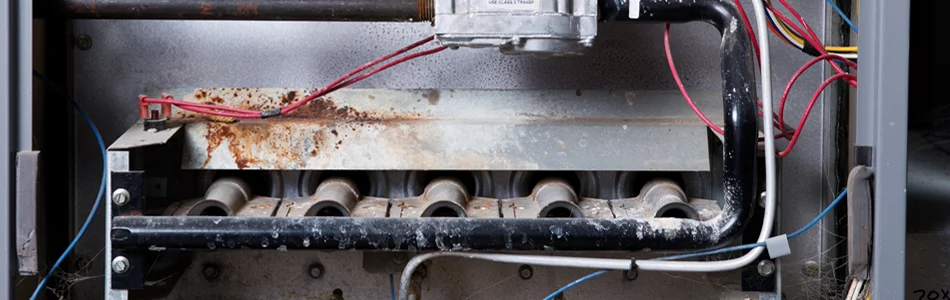
Furnaces are still one of the most common ways San Diego area homeowners heat their homes, especially in inland areas where winter nights can dip into the 40s. A properly installed furnace usually lasts around 15 to 20 years, though the exact lifespan depends on the model, how often it’s used, and how well it’s maintained.
Common Furnace Repairs
As your furnace gets older, a little wear and tear is completely normal. Parts start to loosen, collect dust, or just give out after years of use. When that happens, a few well-timed repairs can keep your system running safely and heating your home the way it should. Common furnace repairs include:
- Blower Motor Repair or Replacement: The blower motor pushes warm air through your ducts and vents. If it slows down or fails, you’ll feel weak airflow or uneven heating. A technician can often use replacement parts to fix these issues.
- Ignitor or Pilot Light Issues: These parts ignite the furnace’s burner to start the heating cycle. When they’re dirty or faulty, your system may not start or could shut off mid-cycle. Cleaning or swapping out the ignitor or pilot assembly usually fixes the issue quickly.
- Thermostat Repair or Recalibration: Your thermostat tells the furnace when to turn on and off. If it’s not reading temperatures correctly, the system might short cycle or overheat your home. Adjusting or replacing the thermostat brings your heat levels and comfort back to normal.
- Burner or Gas Valve Cleaning: Burners and valves can get clogged with dust or residue, making the flame burn inefficiently or unevenly. A professional cleaning restores proper fuel flow, improves energy efficiency, and prevents safety issues.
When to Replace Your Furnace
Even with regular maintenance, every furnace reaches a point where it’s smarter to replace it than to keep repairing it. Several factors will be at play, but here’s some guidance on how to tell:
- Old Age: Once your system hits 12+ years old, performance usually starts to drop. You might notice slower heating, uneven temperatures, or higher utility bills. That’s often a sign it’s nearing the end of its lifespan, and replacement should be on your radar.
- Frequent or Costly Repairs: If you’re calling for repairs more than once a year or the repair costs are half or more of the price of a new system, replacing your furnace is typically the more cost-effective move. A new, energy-efficient model will save you money on both service and energy use over time.
- Significant Damage to Key Parts: When essential components like the heat exchanger, blower motor, or gas valve are cracked, corroded, or failing, the system may be beyond repair. These issues can also pose safety hazards, including the risk of carbon monoxide leaks, which makes replacing the furnace the best option.
Heat Pumps
Heat pumps have become increasingly popular across the San Diego area thanks to their ability to both heat and cool your home efficiently. Instead of generating heat like a furnace, they move it, pulling warmth from the outside air and transferring it indoors during cooler months.
A heat pump can last around 12 to 15 years, often longer. Their performance and lifespan depend on the model, installation quality, and how consistently you schedule maintenance.
Common Heat Pump Repairs
Because heat pumps operate year-round for both heating and cooling, they tend to experience more wear. In San Diego, the #1 cause of heat pump repair is clogged or dirty coils which restrict airflow, lower energy efficiency, and force the system to work harder until it gives out. Other common heat pump repairs include:
- Refrigerant Leak Detection and Repair: A refrigerant leak can cause weak heating or cooling, strange noises, and higher energy bills. A technician will locate the leak, repair the line, and recharge the system so it can run efficiently again.
- Compressor or Fan Motor Service: The compressor and fan motors work nonstop year-round. When they start to wear out, you might notice louder noises or reduced airflow. Replacing or repairing these parts restores smooth and steady operation.
- Defrost Control Adjustment: If your outdoor unit ices up on cool mornings, the defrost control or sensor could be out of calibration. Adjusting or replacing these components keeps the system from freezing and maintains performance.
- Thermostat or Sensor Calibration: Faulty sensors or thermostats can cause the system to cycle too often or not at all. Calibrating or replacing them improves the temperature accuracy.
When to Replace Your Heat Pump
Every heat pump system reaches a point where repairs stop being practical. If your heat pump struggles to keep up or needs attention more often than it should, it may be time to think about replacement. Here’s what to look for:
- Frequent Repairs and Higher Costs: When you’re calling for service multiple times a year or the latest repair cost is nearing half the price of a new unit, replacement often makes more financial sense. A new system will run more efficiently, reduce energy use, and cut down on surprise repair bills.
- An Aging System: As heat pumps get older, they naturally start to wear out — running longer, breaking down more often, and losing efficiency over time. Replacing an aging system gives you a fresh start with a new unit that will run more reliably, perform better, and keep your home comfortable for years to come.
- Major Component Damage: When key parts like the compressor, coils, or reversing valve fail or corrode, the system is typically beyond repair. These issues can put strain on other components and sometimes create safety hazards, making replacement the most cost-effective and dependable long-term solution.
Ductless Mini Splits
Ductless mini splits are popular for homeowners who want to heat or cool specific areas without installing new ductwork. You’ll often find them in condos, backyard ADUs, converted garages, and older homes that never had ductwork in the first place. Each system has an outdoor unit connected to small indoor air handlers that mount on the wall or ceiling, letting you control the temperature in each space individually.
With a proper installation, a ductless mini split can last 15 to 20 years or more. Regular maintenance can significantly extend its lifespan.
Common Ductless Mini Split Repairs
Mini splits are known for being reliable, but like any system that runs year-round, they need a little attention from time to time. Dust, moisture, and everyday use can cause small issues that affect how well they heat or cool. Here are some of the most common ductless mini split repairs San Diego homeowners run into:
- Dirty Filters or Coils: Dust and debris can build up on filters and coils, restricting airflow and forcing the system to work harder. Cleaning them regularly keeps your air clean and your system efficient.
- Sensor or Thermostat Issues: When sensors or thermostats go bad, your system might short cycle or fail to respond to temperature changes. Replacing or recalibrating them usually fixes the problem quickly.
- Drain Line Clogs: Mini splits pull humidity out of the air, and the drain line can sometimes clog, leading to water leaks. Clearing the line restores proper drainage and prevents water damage.
- Electrical or Communication Problems: Faulty wiring or loose connections between the indoor and outdoor units can cause your system to shut down unexpectedly. Tightening or replacing the damaged wiring gets it running smoothly again.
When to Replace Your Ductless Mini Split
If your mini split is showing its age or just isn’t keeping up like it used to, it might be time to plan for replacement. Here’s what to watch for:
- Frequent Repairs and Mounting Costs: If you’re scheduling service more often and the repair costs are adding up, replacement becomes the more cost-effective option. A new system will perform better and lower your long-term expenses.
Older System Losing Reliability: As ductless systems age, they often struggle to maintain comfort in each zone and become less efficient. Replacing your older setup gives you dependable comfort and a new unit you can count on for years.
Major Component or Compressor Failure: When key components such as the compressor, coils, or circuit board are beyond repair, replacement is usually the best choice. These failures can be expensive to fix and often signal the end of the system’s life expectancy.
Get the Heating Services You Need from Guthrie & Sons
At Guthrie & Sons Heating, Air & Solar, we’re a full-service HVAC company proudly serving homeowners in and around San Diego, CA. We install, maintain, and repair heating systems of all makes and models. Our heating services include:
- Heating Installation
- Heating Repair
- Heating Maintenance
- Heating Replacement
We get that deciding between a heating repair and a heating replacement isn’t always easy. If the problem is small—or still covered by the manufacturer’s warranty—we’ll take care of the heating repair and help you save money by keeping your current system running strong.
But if your heater is older or facing a major breakdown, we’ll walk you through your heating replacement options and explain what makes the most sense for your home and budget. We have licensed, NATE-certified technicians who are some of the best in the business.
We’re not salespeople, and we’re not here to pressure you into buying the most expensive thing. Our job is to give you clear, honest information so you can make the decision that’s right for your home. And if a new system is the way to go, we have financing options and special offers available to make it easier on your budget.
Schedule Your Heating Service With Us
You deserve a heating system that just works—one that keeps you comfortable without constant repairs or surprises. Knowing the different heater lifespans can help you plan what to do next when problems do pop up.
If you’re worried about how your system is running or know you need a repair and maybe even a replacement soon, let us take a look. We’ll do a full inspection and talk through what’s happening. For the best heating services in the San Diego area, Guthrie & Sons Heating, Air & Solar is the top choice. Contact us for service!